A check engine light can be easy to ignore, especially when your car still seems to drive normally. But that small warning on the dashboard is your vehicle’s way of telling you that something has changed.
Sometimes the cause is relatively simple. Other times, the light points to a problem that can affect fuel economy, emissions, engine performance, or expensive components. For drivers in Downey, getting the issue checked early is usually less stressful: and less costly: than waiting for the vehicle to develop more serious symptoms.
That is where professional engine diagnostics in Downey can help. A proper diagnostic appointment does more than read a code. It helps identify what caused the warning and what your car actually needs.
What engine diagnostics really involves
Modern vehicles use computers and sensors to monitor how the engine is running. When a sensor detects readings outside the expected range, the vehicle’s computer may store a diagnostic trouble code and turn on the check engine light.
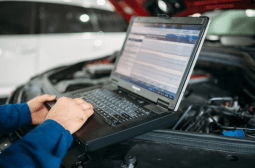
A technician begins by connecting a professional scan tool to the vehicle’s onboard diagnostic system. This retrieves stored codes and may also show freeze-frame data: the engine conditions present when the problem was detected. That information can include vehicle speed, engine temperature, RPM, and other operating details.
The code is a starting point, not a final answer.
For example, a code related to an oxygen sensor does not automatically prove that the oxygen sensor needs to be replaced. The same code could be caused by:
- An exhaust leak
- A vacuum or intake leak
- A fuel delivery problem
- An ignition misfire
- Damaged wiring or an electrical issue
After scanning the vehicle, a technician may review live sensor data while the engine is running. This can include fuel-trim readings, oxygen sensor activity, airflow measurements, coolant temperature, and misfire information. These readings help connect the code to the vehicle’s actual behavior.
The goal is to pinpoint the root cause instead of replacing parts based on a guess.
Why reading the code alone is not enough
It is common to see a code online and assume the repair is obvious. A code may identify the system reporting a problem, but it does not always identify the failed part.
Think of it like a smoke alarm. The alarm tells you that smoke is present, but it does not tell you whether the cause is burnt food, an electrical problem, or a fire in another room. You still need to investigate.
The same idea applies to a vehicle diagnostic code. A professional technician considers several pieces of information together:
- The stored trouble codes
- Freeze-frame data
- Current live sensor readings
- The symptoms you have noticed
- The vehicle’s service history
- Visual and electrical testing
- Performance under different driving conditions
This process takes more care than simply clearing the warning light. Clearing a code without fixing the underlying issue may turn the light off temporarily, but the problem will often return.
At Jimmy’s Auto Service and Smog, our diagnostics and repair services are designed to help identify the problem clearly before repair work begins.
Common causes of a check engine light
A check engine light can come from many different systems. Here are a few causes our team commonly considers during engine diagnostics for drivers in Downey.
Oxygen sensor problems
Oxygen sensors monitor the amount of oxygen in the exhaust. The engine computer uses that information to adjust the air-and-fuel mixture.
When an oxygen sensor becomes slow, contaminated, or fails electrically, the engine may use more fuel than it should. You might notice lower fuel economy, rough running, or an emissions-related warning.
However, an oxygen sensor may only be reporting another issue. A vacuum leak, exhaust leak, or fuel mixture problem can affect its readings. Testing the sensor and related systems helps prevent an unnecessary replacement.
Ignition coil or misfire issues
Ignition coils help create the electrical spark needed to ignite the fuel mixture inside the engine. When a coil or spark plug begins to fail, one or more cylinders may misfire.
You may notice:
- Rough idle
- Shaking or hesitation
- Slower acceleration
- Difficulty starting
- Poor fuel economy
A misfire should not be ignored. Unburned fuel can enter the exhaust system and overheat or damage the catalytic converter. If the check engine light is flashing, reduce driving as much as safely possible and have the vehicle checked promptly.
Catalytic converter concerns
The catalytic converter helps reduce harmful emissions in the exhaust. When it is not working efficiently, the vehicle may store a catalyst-efficiency code.
A catalytic converter problem can be expensive, which is why accurate diagnosis matters. A failing converter is not always the original cause. Repeated misfires, an engine running too rich, or other fuel and ignition problems can damage a converter over time.
Before recommending converter replacement, a careful diagnostic process should check for those related issues.
Vacuum leaks
A vacuum leak occurs when unmetered air enters the engine through a cracked hose, intake gasket, or another opening. This extra air can make the engine run too lean, meaning there is too much air compared with the amount of fuel.
Common signs include:
- Rough or unstable idle
- Hesitation during acceleration
- Hissing sounds under the hood
- Reduced fuel economy
- Lean-condition trouble codes
Vacuum leaks can be difficult to see by simply looking under the hood. Depending on the vehicle and symptoms, technicians may use testing methods that help locate the leak instead of replacing unrelated sensors.

What happens after the scan?
Once the technician has gathered the diagnostic information, the next step is to explain what the findings mean.
A transparent repair conversation should answer practical questions such as:
- What code or symptom was found?
- Which system is affected?
- What testing confirmed the problem?
- Is the vehicle safe to drive?
- What repair is needed now?
- What can wait until later?
- What could happen if the repair is delayed?
You should not have to approve a repair you do not understand. At Jimmy’s Auto Service and Smog, we believe in explaining findings in straightforward language and recommending only necessary work. If additional testing is needed before a repair can be confirmed, we will explain why.
That approach is especially important when a repair involves a higher-cost component, such as a catalytic converter or major engine part. Good diagnostics can sometimes identify a smaller underlying problem before you spend money on the wrong repair.
Why ignoring the check engine light can cost more
A vehicle may continue running after the warning light comes on, but that does not mean the problem is harmless.
A small issue can place extra strain on other parts. For example, a failing ignition coil may cause a misfire. Continued misfires can affect the catalytic converter. A minor vacuum leak can lead to poor fuel control, rough running, and additional drivability concerns. A faulty sensor can cause the engine to use fuel inefficiently for weeks or months.
Delaying service can also leave you with less flexibility. If the vehicle eventually stalls, overheats, or loses power, you may need emergency towing and immediate repairs rather than a scheduled diagnostic visit.
A solid check engine light is a reason to arrange an appointment soon. A flashing light, severe shaking, loss of power, smoke, overheating, or unusual smells deserves more urgent attention. If the vehicle feels unsafe, pull over in a safe location and arrange professional assistance.
Why local experience matters
Your vehicle may be used for short trips around Downey, long commutes through Los Angeles County, or a mix of both. Those driving conditions can affect how the engine, emissions system, cooling system, and other components operate.
Choosing a full-service shop means you can move from diagnosis to repair without having to explain the same problem to multiple businesses. Jimmy’s Auto Service and Smog has served the Downey community since 1997. Our team works on all makes and models and handles everything from routine maintenance to complex repairs.
We are also STAR-certified smog and repair technicians, which is helpful when a check engine light is connected to an emissions or smog concern. We offer honest pricing, flexible financing options, and a 100% quality guarantee on every service.
Conclusion: Let the warning light guide you to the right answer
Your check engine light is not something to panic over, but it is worth taking seriously. A diagnostic scan can reveal the affected system, while live data and hands-on testing help determine the actual cause.
If you need reliable engine diagnostics in Downey, CA, bring your vehicle to Jimmy’s Auto Service and Smog. We will inspect the problem, explain what we find, and help you make an informed decision before any necessary repair work begins.
Contact Jimmy’s Auto Service and Smog or call (562) 923-8610 to schedule your diagnostic appointment today.