
The clutch is one of the most vital components in a manual transmission vehicle. It plays a crucial role in engaging and disengaging the engine from the transmission, allowing for smooth gear shifts and optimal vehicle performance. However, like any mechanical part, the clutch experiences wear over time, leading to various issues such as slipping clutch, difficulty shifting gears, and even complete clutch failure.

Ignoring clutch problems can result in costly repairs and potential damage to other transmission components. Therefore, understanding the clutch repair process can help car owners recognize early warning signs, take preventive measures, and know what to expect when their vehicle requires professional attention.
In this article, we will discuss common clutch issues, the causes of clutch wear, how to diagnose problems, and a step-by-step breakdown of the clutch repair process. Whether you are experiencing clutch trouble or simply want to extend the lifespan of your vehicle’s clutch system, this guide provides valuable insights and clutch repair tips.
Common Clutch Problems and Their Symptoms
A failing clutch often exhibits noticeable symptoms that indicate underlying issues. Here are the most common clutch problems and how they affect vehicle performance:
Slipping Clutch
A slipping clutch occurs when the clutch disc fails to fully engage with the flywheel, causing a loss of power transmission. Symptoms of a slipping clutch include:
- A sudden increase in engine RPMs without a corresponding acceleration.
- Difficulty maintaining speed, especially when driving uphill.
- A burning smell caused by excessive friction.
If left unaddressed, a slipping clutch can lead to total clutch failure, making it impossible to drive the vehicle.
Clutch Wear
Clutch wear is inevitable due to repeated friction between the clutch disc and flywheel. Over time, this wear reduces the effectiveness of the clutch, leading to:
- A soft or spongy clutch pedal.
- Difficulty shifting gears, particularly when engaging first or reverse gear.
- Unusual vibrations when pressing the clutch pedal.
Clutch Failure
Complete clutch failure can result from prolonged neglect of clutch problems. If the clutch fails, the vehicle will no longer be able to transfer power from the engine to the wheels. Signs of imminent clutch failure include:
- A clutch pedal that stays stuck to the floor.
- Grinding noises when attempting to change gears.
- Total loss of acceleration despite pressing the gas pedal.
Diagnosing a Clutch Issue: What to Look For
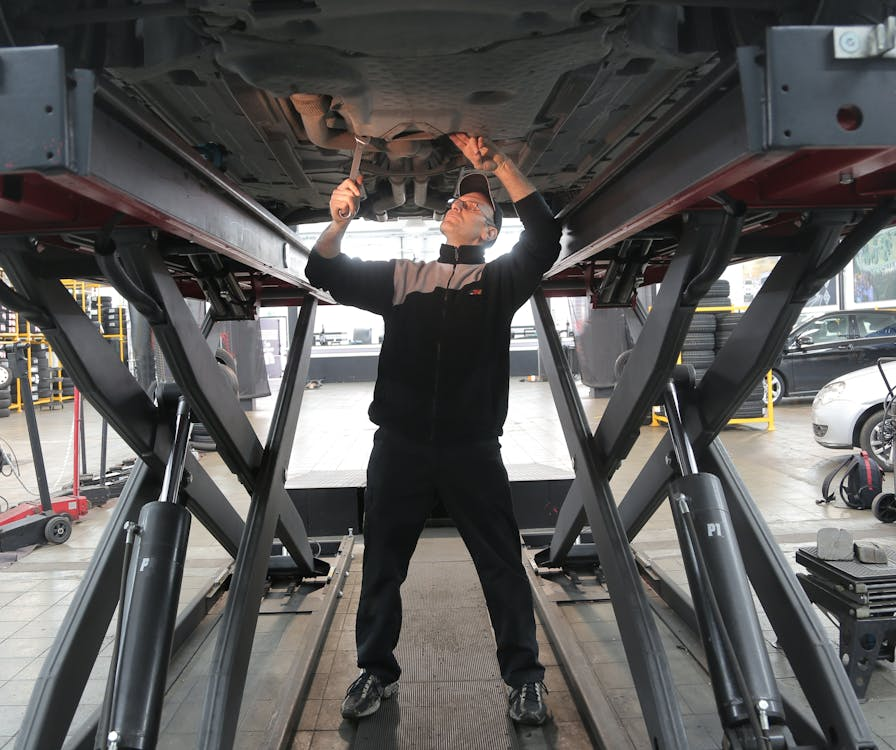
If you suspect clutch problems, you can perform a few diagnostic checks before visiting a mechanic:
Self-Diagnosis Methods
- Clutch Engagement Test: Start the vehicle, shift into third gear, and slowly release the clutch while applying the accelerator. If the engine revs without significant movement, your clutch may be slipping.
- Pedal Feel: If the clutch pedal feels too soft or too stiff, it may indicate hydraulic issues or excessive wear.
- Noise and Smell: A burning smell or strange noises when shifting gears can signal clutch wear.
Professional Clutch Inspection
At Jimmy’s Auto Repair and Smog, expert mechanics conduct comprehensive clutch inspections, including:
- Checking the clutch pedal free play and hydraulic system.
- Inspecting the clutch disc, pressure plate, and flywheel for wear.
- Performing a road test to evaluate clutch engagement and performance.
If an issue is detected, the mechanic will recommend either a clutch repair or full replacement based on the severity of the damage.
Causes of Clutch Wear and How to Prevent It
Several factors contribute to clutch wear, but adopting good driving habits can help extend its lifespan.
Common Causes of Clutch Wear
- Riding the Clutch: Keeping the clutch partially engaged while driving increases friction and accelerates wear.
- Frequent Stop-and-Go Driving: Constant clutch engagement in traffic leads to faster deterioration.
- Overloading the Vehicle: Carrying heavy loads puts additional strain on the clutch system.
- Aggressive Driving: Rapid acceleration and improper shifting techniques wear down clutch components prematurely.
How to Extend Clutch Life
- Always press the clutch pedal fully when shifting gears.
- Avoid keeping your foot on the clutch pedal while driving.
- Downshift smoothly instead of dumping the clutch.
- Have the clutch system checked regularly at a trusted auto repair shop.
The Clutch Repair Process: Step-by-Step Guide
If a clutch replacement or repair is necessary, here’s what the process typically involves:
Step 1: Inspection and Diagnosis
A mechanic will first assess the extent of clutch wear by inspecting the clutch assembly and testing pedal responsiveness.
Step 2: Removing the Transmission
Since the clutch assembly is located between the engine and transmission, the mechanic must detach the transmission to access the clutch components.
Step 3: Clutch Disc, Pressure Plate, and Flywheel Replacement
Depending on the level of wear, the following parts may be replaced:
- Clutch Disc: Worn-out discs lose their ability to grip the flywheel.
- Pressure Plate: A faulty pressure plate fails to apply enough force on the clutch disc.
- Flywheel: A damaged flywheel can cause excessive vibrations and uneven clutch engagement.
Step 4: Reassembly and Testing
Once the new clutch components are installed, the mechanic reassembles the transmission and conducts a road test to ensure smooth operation.
Step 5: Post-Repair Break-in Period
A newly installed clutch requires a short break-in period where drivers should avoid aggressive acceleration and allow the clutch to settle properly.
Clutch Repair Tips: How to Avoid Costly Repairs
To minimize repair costs and ensure long-lasting clutch performance:
- Pay attention to early warning signs and address them promptly.
- Have your vehicle serviced at a reputable repair shop.
- Never attempt DIY clutch repairs unless you have professional experience.
Regular maintenance at Jimmy’s Auto Repair and Smog ensures your clutch remains in optimal condition, reducing the risk of unexpected breakdowns.
When to Consider a Clutch Replacement Instead of a Repair
In some cases, a repair might not be sufficient, and a full replacement is necessary. Factors influencing this decision include:
- The extent of clutch wear and damage.
- The cost of individual component replacements versus a full clutch kit.
- Whether the vehicle has high mileage, making a new clutch a more reliable option.
Keep Your Clutch in Top Condition
Understanding how your vehicle’s clutch works and recognizing signs of clutch problems can save you from expensive repairs and inconvenient breakdowns. Whether it’s a slipping clutch, clutch wear, or total clutch failure, addressing issues early ensures smoother driving and extends your clutch’s lifespan.
If you suspect clutch trouble, don’t wait until the problem worsens. Visit Jimmy’s Auto Repair and Smog for expert clutch diagnostics and repairs. Schedule your service today to keep your vehicle running efficiently!